Boost Work Output With Our Extensive Warehouse Options
Efficiency in warehouse operations is critical for maintaining competitiveness in today's market. Common challenges can hinder productivity and increase costs. Extensive warehouse methodologies offer a way to address these obstacles. By integrating advanced capabilities and streamlined processes, organizations can enhance their performance. The benefits of these solutions extend well beyond mere efficiency. Understanding their impact could prompt to breakthrough changes in logistics operations. What specific features make these solutions indispensable?
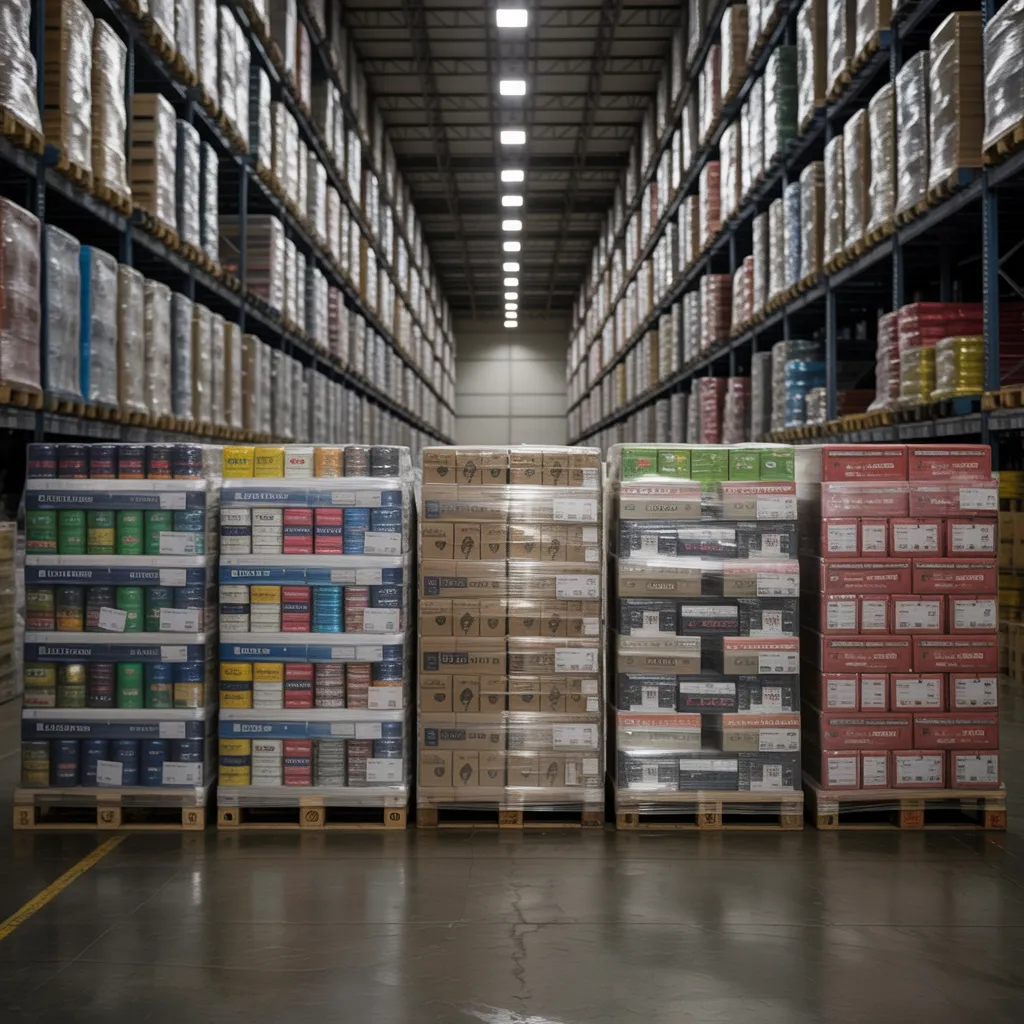
Ordinary Warehouse Concerns and the Value of Working Smoothly
In an constantly changing logistics industry, warehouses encounter many challenges that can obstruct operational productivity. These challenges involve limited space utilization, which often leads to congestion and inefficiencies in stock management. Additionally, changing customer demand causes challenges in keeping optimal quantity levels, resulting in either surplus stock or inventory shortages. Staff lack further compound procedures, as locating experienced employees turns increasingly difficult.
Furthermore, outdated technology can block workflow, generating setbacks in order handling and surveillance. Poorly designed facility layout may also factor into longer commute times for workers, detracting from performance. Safety problems, such as system failures and risky environments, can lead to injuries, further disrupting processes. Addressing these common challenges is vital, as operational success directly impacts cost management, client pleasure, and comprehensive organizational results, establishing it as necessary for warehouses to adapt and implement effective solutions.
Key Features of Our Warehouse Offerings That Increase Efficiency
The fundamental aspects of warehouse systems function as a cornerstone for improving operational effectiveness. Optimized inventory oversight provides precise tracking and lowers errors, while automated order processing accelerates processing times. Together, these elements establish a more productive and agile warehouse setting.
Simplified Inventory Management
Streamlined inventory management transforms warehouse operations, permitting businesses to fine-tune their stock levels and minimize overhead costs. By implementing advanced tracking systems, organizations can supervise inventory in real-time, ensuring accurate stock counts and minimizing discrepancies. This anticipatory approach allows for timely reordering eliminating stockouts and excess inventory. Additionally, integration with data analytics provides knowledge into consumer trends, promoting strategic decision-making. Efficient categorization and labeling further strengthen operational flow, allowing for quicker location and processing of items. These features collectively contribute to a more responsive supply chain, making it easier for businesses to pivot to market demands. Overall, streamlined inventory management is indispensable for strengthening efficiency and maintaining competitiveness in a fast-paced environment.
Automated Order Delivery
As companies increasingly work to enhance operational performance, automated order fulfillment emerges as a vital component of modern warehouse systems. This technology optimizes the picking, packing, and shipping processes, substantially reducing human error and operational delays. By implementing advanced robotics and software, warehouses can attain faster turnaround times and improved accuracy in order processing. Key features include real-time inventory tracking, automated sorting systems, and seamless integration with e-commerce platforms. These elements not only enhance productivity but also boost customer satisfaction through timely deliveries. Moreover, data analytics allows for continuous optimization of workflows, ensuring that resources are allocated effectively. Overall, automated order fulfillment represents a significant advancement in maximizing warehouse efficiency and meeting evolving market demands.
How to Create Smooth and Rewarding Order Delivery for Clients?
Ensuring order completion is smooth can notably enhance customer contentment. To achieve this, businesses must emphasize clear communication throughout the order process. Providing customers with prompt notifications on order status, shipping details, and expected delivery dates builds trust and transparency.
Additionally, using streamlined picking and packing processes reduces delays. Using advanced tools, such as barcode scanners and automated picking systems, can enhance accuracy and speed, reducing the risk of errors.
An crucial element is providing adaptable delivery options. Allowing customers to select their desired delivery method or time can improve their overall experience. Moreover, forming a responsive customer service team to handle inquiries and fix issues promptly can greatly improve satisfaction levels.
In the end, a customer-oriented approach to order fulfillment not only improves operations but also fosters sustained relationships, spurring returning customers and favorable referrals.
Streamlining Warehouse Asset Management for Better Efficiency
Effective inventory management is indispensable for maximizing warehouse performance. By leveraging modern tracking technologies, businesses can assure reliable inventory data, while information-based decisions enables strategic planning. Additionally, streamlining stock replenishment processes can notably cut processing times and improve overall operational efficiency.
Approaches for Tracking Your Inventory System
Implementing cutting-edge inventory control approaches can substantially enhance storage facility operations. Accurate tracking systems, including barcode reading and RFID technology, provide instant insight into inventory quantities and movements. These instruments support efficient order fulfillment by minimizing errors and decreasing the duration required to locate items. Furthermore, cycle counting—performing regular inventory audits—guarantees that inconsistencies are identified and resolved promptly. Computerized stock control systems can synchronize data across multiple locations, streamlining operations and improving accuracy. In addition, combining monitoring methods with storage facility administration platforms allows for better forecasting and demand planning. By utilizing these approaches, storage facilities can maximize stock rotation, reduce holding costs, and finally enhance overall operational efficiency. This results in a increasingly flexible and agile storage facility setting.
Data-Informed Selecting Courses of Action
Data-driven decision-making plays an important role in enhancing warehouse inventory management. By leveraging analytics, organizations can gain understanding into inventory levels, turnover rates, and demand forecasting. These insights enable warehouse managers to make well-informed choices regarding stock levels and product placement, thereby reducing excess inventory and minimizing stockouts. Implementing advanced data analytics tools allows for real-time monitoring, helping to identify trends and anomalies in inventory flow. Additionally, data-driven approaches streamline operational processes by pinpointing inefficiencies and facilitating proactive adjustments. Ultimately, integrating data into decision-making processes empowers warehouses to improve performance, improve customer satisfaction, and achieve cost savings, laying the groundwork for a more responsive and agile inventory management system.
Expediting Stock Replenishment Processes
Refining stock replenishment processes is fundamental for advancing storage stock oversight and overall operational efficiency. Quality replenishment eliminates stockouts and minimizes surplus stock, ensuring that products are on hand when needed. Implementing automated inventory tracking systems can provide real-time data on inventory quantities, enabling timely restocking. Utilizing just-in-time (JIT) strategies allows warehouses to align stock with demand, reducing storage costs and waste. In addition, categorizing inventory based on product turnover rates can help prioritize replenishment efforts, ensuring frequently ordered items are restocked promptly. Training staff on efficient replenishment practices further improves operations. Through adopting these strategies, warehouses can notably improve their inventory management, leading to better productivity and customer satisfaction.
Utilizing Innovative Platforms to Perfect Logistics Operations
Technology advances logistics by boosting efficiency and accuracy in warehouse operations. Advanced software solutions support real-time inventory tracking, allowing warehouses to maintain ideal stock levels and minimize excess inventory. Automated guided vehicles (AGVs) enhance material handling, minimizing human error and speeding up the movement of goods within the facility.
Additionally, advanced forecasting utilize historical data to forecast demand, allowing warehouses to modify their logistics methods ahead of time. Incorporation of the Internet of Things (IoT) devices delivers transparency into the supply chain, enabling managers to make informed decisions rapidly.
Warehouse management systems (WMS) optimize order fulfillment processes by automating picking and packing tasks, thereby lowering cycle times. Additionally, cloud-based platforms facilitate full article seamless interaction among stakeholders, ensuring that everyone is aligned in real-time. As a result, deploying technology not only strengthens logistics but also positions warehouses to respond swiftly to market changes, ultimately driving overall operational efficiency.
Key Performance Indicators to Evaluate Warehouse Performance
Assessing the performance of warehouse operations demands focus to essential metrics that provide actionable insights. Primary KPIs encompass stock movement rate, which evaluates how regularly stock is sold and replaced, and order accuracy, which measures the percentage of orders properly completed. Furthermore, cycle time, the duration from order placement to delivery, is essential for determining efficiency.
An additional significant indicator is warehouse space optimization, which demonstrates how productively warehouse space is being applied. Worker output, frequently measured by the output per labor hour, also constitutes an vital component in recognizing workforce capability.
Finally, tracking delivery precision can reveal how effectively a warehouse fulfills shipping obligations. Collectively, these KPIs allow warehouse managers to identify areas for improvement, optimize processes, and improve overall operational performance, ultimately contributing to the success of warehouse operations.
Often Asked Questions
What Industries Benefit Most From Your Logistics Solutions?
Companies in e-commerce, retail, manufacturing, and logistics benefit deeply from next-generation warehouse platforms. These areas observe better stock organization, effective operations, and expedited order handling, ultimately enabling amplified productivity and customer satisfaction.
What Steps Do You Take to Ensure Information Protection in Your Networks?
Data protection is guaranteed through sophisticated cryptography, regular audits, and strong security measures. Constant oversight and workforce development enhance the platform, shielding sensitive information against potential breaches and maintaining accordance with industry standards.
Will Your Services Integrate With Legacy Software?
Yes, the systems can flawlessly connect with existing software systems. This conformity strengthens functional performance, permitting a streamlined workflow while maintaining data accuracy and security across diverse platforms used within the organization.
How Much Time Do the Common Implementation Schedules for Your Offerings?
Timelines for implementation typically range from a few weeks to several months, determined by the project complexity and established systems. A comprehensive review is conducted to provide a personalized timeline for each client's needs.
Does Your Company Offer Training for Warehouse Staff on Your Systems?
Yes, training for warehouse staff on the systems is offered. The company emphasizes robust training curricula to ensure staff are proficient, boosting overall operations and promoting a smoother migration to the new solutions deployed.